Are dental implants safe? (London, WC1H)
A safe and well-established treatment - when done properly
Dental implants are a widely used and well-researched treatment for replacing missing teeth. When carefully planned and placed using high-quality components, they offer predictable and long-term results.
At Tavistock Dental (WC1H, Bloomsbury), our primary aim is simple:
To provide high-quality, safe, and long-lasting treatment.
This means:
- We do not aim to provide the cheapest possible treatment
- We do not rush treatment timelines
- We focus on doing things properly, with long-term success in mind

.webp)
How safe are dental implants in London?
Dental implants have been used successfully for decades and have high long-term success rates (typically over 90-95%).
However, outcomes depend on:
- The implant system used
- How carefully treatment is planned
- The experience and judgement of the clinician
Not all implant treatments are carried out to the same standard.

The quality of implant components (often overlooked)
Not all dental implants are the same.
The safety and longevity of treatment depend heavily on the implant system used.
What matters:
- Proven track record: implant systems with decades of clinical data are more predictable
- Manufacturing quality: precision-engineered components reduce complications
- Certification and regulation: systems should meet recognised international standards
- Long-term support: ongoing availability of parts and components is essential
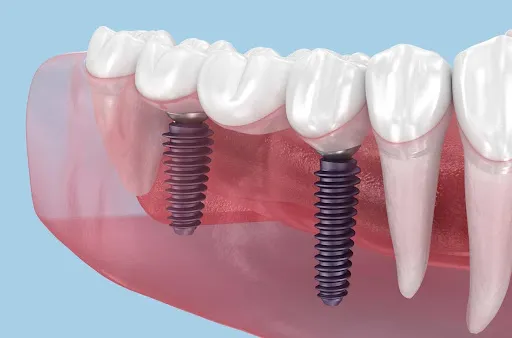
The implant system we use
At Tavistock Dental, we primarily use systems from DENTSPLY Sirona, one of the largest and most established dental manufacturers in the world.
- Implant systems with over 30 years of clinical use
- Extensive research and development backing
- Widely used by clinicians internationally
- Supported globally by dentists and laboratories
This provides important advantages:
- If you move, there is a high chance a dentist nearby can maintain your implants
- Long-term availability of components is more predictable
- Treatment is based on a well-established and tested system
This supports both safety today and reliability in the future.
How implants are planned and placed (critical factor)
Even the highest-quality implant system can fail if it is not used properly.
Safety depends on how treatment is planned and delivered.
.webp)
Training and clinical standards
At Tavistock Dental, implant treatment is carried out with a strong emphasis on postgraduate training and ongoing education.
- Training completed at the Royal College of Surgeons (England)
- Awarded a Diploma in Dental Implantology
- Widely regarded as a gold standard in implant postgraduate education
This training focused on:
- Safe and structured treatment planning
- Surgical precision and clinical judgement
- Long-term patient outcomes
It also emphasised:
- Critical evaluation of research
- Keeping up to date with evolving techniques
- Making decisions based on evidence, not trends
Digital planning
- 3D imaging allows precise assessment of bone and anatomy
- Enables accurate implant positioning
- Reduces risk of complications
Respecting biological healing (this is critical)
Dental implants are not just a mechanical procedure - they rely on biology.
For implants to succeed long-term:
- The bone must heal and integrate with the implant
- The surrounding tissues must stabilise properly
This takes time.
While some treatments can be accelerated in certain cases, rushing the process increases risk.
At Tavistock Dental:
- We follow biological principles
- We allow appropriate healing time
- We prioritise long-term success over speed
Even if patients prefer faster treatment, we will always advise what is safest and most predictable.
Time, care, and attention to detail
- Treatment is carried out in a careful, staged manner
- Each step is completed properly rather than quickly
- We do not aim to "fit more treatment into less time"
This approach reduces complications and improves long-term outcomes.
Case selection
- Not every patient or situation is the same
- Proper assessment ensures the safest and most appropriate treatment is chosen

Are there risks with dental implants?
As with any medical procedure, there are potential risks, although they are uncommon:
- Infection around the implant
- Implant not integrating with the bone
- Nerve irritation (rare)
- Sinus-related complications (upper jaw cases)
These risks are significantly reduced with careful planning and experienced treatment.
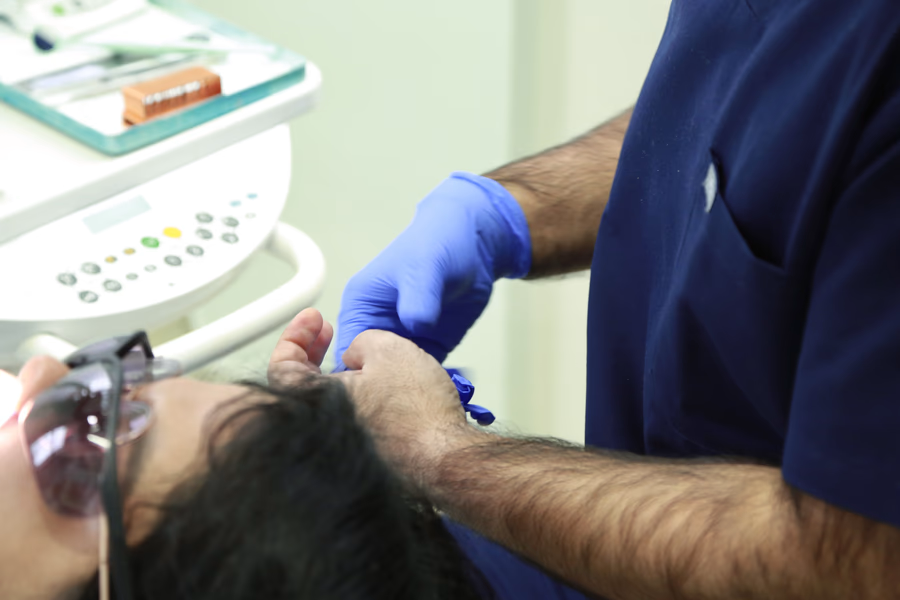
Who may not be suitable?
Most patients are suitable, but certain factors may affect treatment:
- Smoking
- Poor oral hygiene
- Uncontrolled medical conditions
- Significant bone loss (often manageable with additional procedures)
A consultation is required to assess suitability.
.webp)
What is the recovery like?
- Mild swelling or discomfort for a few days
- Most patients return to normal activities quickly
- Full integration typically takes several weeks
For more on what to expect, see our dental implant recovery page.

How long do dental implants last?
With proper care and high-quality components.
- Implants can last many years, often decades
- Ongoing maintenance and hygiene are essential
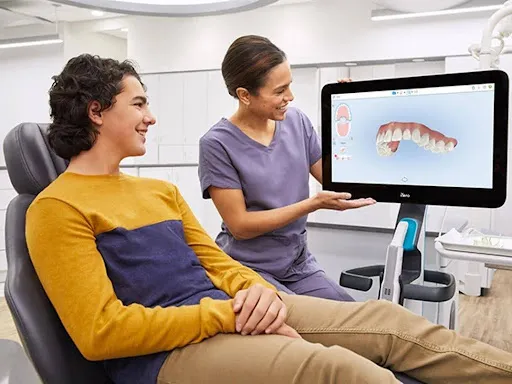
How do implants compare to other options?
- Dental implants: Predictable, long-term solution when properly carried out
- Bridges: Effective but involve neighbouring teeth
- Dentures: Lower cost but less stable
Implants are often the most reliable long-term option where suitable.
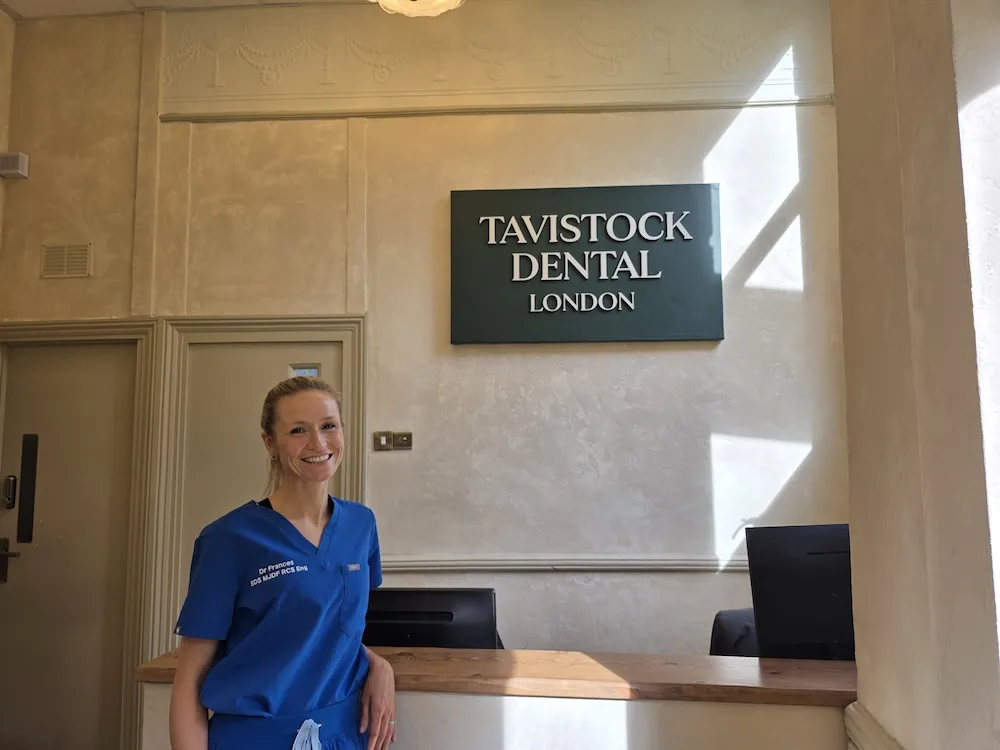
Why choose Tavistock Dental in central London?
- Focus on high-quality, safe treatment - not shortcuts
- Use of established implant systems
- Training through the Royal College of Surgeons
- Careful digital planning and assessment
- Respect for biological healing and long-term outcomes
- Central London location (WC1H, Bloomsbury)
- Caring team to support you on your journey
Frequently asked questions about dental implant safety in London

Are dental implants safe long-term?
Yes - when high-quality systems are used and treatment is carefully planned and maintained.
Can implants be done quickly?
Some stages can be accelerated, but proper healing time is often essential for long-term success.
Are all implant providers the same?
No - differences in materials, planning, and approach can significantly affect outcomes.
Is it worth paying more for implants?
In many cases, investing in quality treatment reduces the risk of complications and additional costs later.
What happens if a dental implant fails?
Implant failure is rare when treatment is carefully planned, but if it does happen, we'll talk you through your options. In most cases, the area can be allowed to heal and a new implant placed once the site is suitable again.
Are dental implants safe if I have a medical condition?
Most patients with well-controlled medical conditions can still have implants safely. Conditions such as diabetes, blood pressure issues, or osteoporosis can all be managed with the right planning. We'll review your full medical history at your consultation and discuss anything that needs particular attention.