Bone grafting for dental implants (GBR) - London, WC1H
Building a stable foundation for long-term implant success
In some cases, there may not be enough bone to support a dental implant safely. Bone grafting (also called bone augmentation or guided bone regeneration / GBR) is used to rebuild and strengthen the jawbone where needed.
At Tavistock Dental (WC1H, Bloomsbury), we carefully assess each case to determine whether bone grafting is required, and if so, how to approach it in the most predictable and minimally invasive way.
.webp)
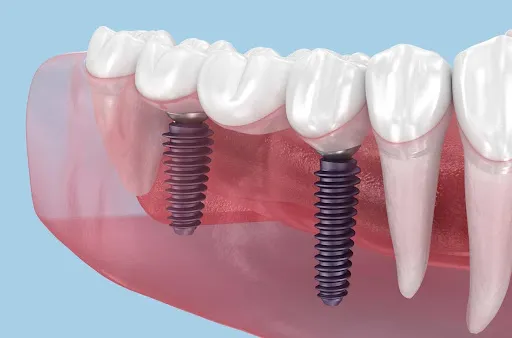
Why might you need bone grafting in London?
After a tooth is lost, the surrounding bone can gradually shrink over time.
This can lead to:
- Reduced bone width or height
- Insufficient support for implants
- Increased risk of complications if implants are placed without adequate bone
Bone grafting helps restore the bone to create a stable, long-term foundation for implants.

How we assess the need for bone grafting
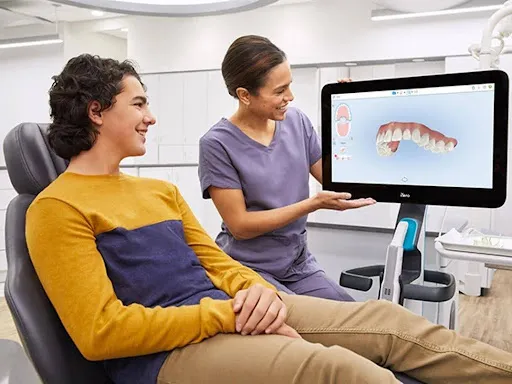
Before recommending any treatment, we carry out a detailed assessment:
- Clinical examination
- 3D imaging (CBCT scans)
- Evaluation of bone volume and quality
- Review of any medical or anatomical factors
We also check for any factors that might affect treatment planning.
Only after this do we decide on the most appropriate approach.
Do all patients need bone grafting?
No.
At Tavistock Dental:
- We only recommend bone grafting when it is clinically necessary
- We consider alternative approaches where appropriate
- We aim to avoid unnecessary procedures
Our goal is always to choose the simplest approach that still delivers long-term success.

What is guided bone regeneration (GBR)?
Guided bone regeneration (GBR) is a technique used to rebuild bone in a controlled way.
- Bone graft material is placed in the area of deficiency
- A protective membrane is used to guide bone growth
- Over time, new bone forms and integrates
This creates sufficient volume to support dental implants safely.

Types of bone grafting procedures
1. Minor bone grafting
- Small gaps in the bone corrected at the time of implant placement
- Often combined with implant surgery
- Minimal additional recovery
2. Staged bone grafting
- Used when more significant bone loss is present
- Bone is rebuilt first
- Implants are placed after healing
This approach prioritises predictability and long-term stability.
3. Ridge augmentation
- Used to increase bone width or height
- Helps create a more ideal implant site
For bone loss specifically in the upper back jaw, a related technique called a sinus lift is often used.

Can bone grafting be avoided?
In some cases, yes.
Alternatives may include:
- Using short or narrower implants
- Adjusting implant positioning
- Considering different treatment approaches
However, these options are only used when they provide reliable long-term outcomes.
Our approach: minimally invasive, but not at the expense of success
At Tavistock Dental:
- We aim to be as minimally invasive as possible
- We avoid unnecessary grafting where possible
- However, we will recommend grafting when it is needed for long-term stability
We do not compromise long-term success for short-term convenience.
What is recovery like after bone grafting?
Recovery depends on the extent of the procedure:
- Minor grafting: similar to standard implant recovery
- Larger grafts: may involve more swelling and longer healing
In all cases:
- Medications are provided where appropriate
- Clear aftercare instructions are given
- Healing is monitored closely
Healing typically takes several months before implants are placed or restored.

How much does bone grafting cost in London?
At Tavistock Dental, bone grafting starts from £600, in addition to the cost of your implant treatment. The exact price depends on the size of the area being grafted and whether the work is done at the same time as your implant or as a separate stage.
A few things worth knowing:
- Your £95 implant consultation includes a 3D bone scan, so you'll know exactly what's needed before any treatment is planned
- Finance options available
You can see full implant pricing on our costs page

Is bone grafting safe?
When properly planned and carried out, bone grafting is a predictable and well-established procedure.
Safety depends on:
- Careful case selection
- Appropriate technique
- Proper healing time
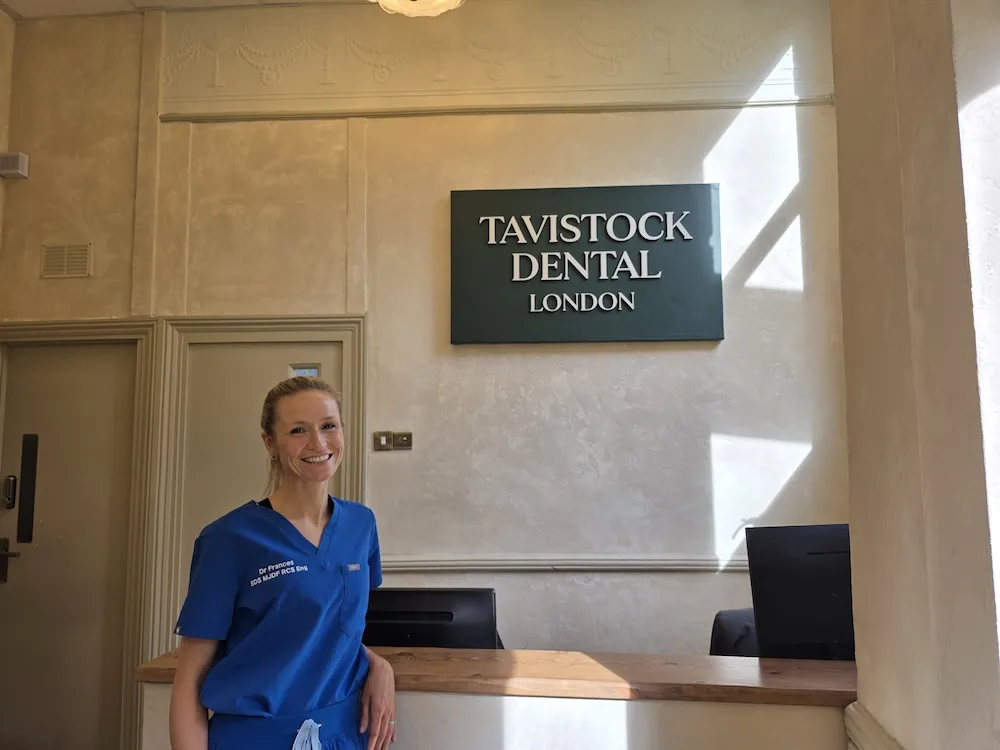
Why choose Tavistock Dental in central London?
- Careful 3D assessment and planning
- Focus on minimally invasive techniques where appropriate
- Experience with bone grafting and implant procedures
- Central London location (WC1H, Bloomsbury)
- Emphasis on long-term success and patient safety
Frequently asked questions about bone grafting in London
Do I always need bone grafting for implants?
No - many cases can be treated without it, depending on bone availability.
Is bone grafting painful?
The procedure is carried out under local anaesthetic and is generally well tolerated.
How long does bone grafting take to heal?
Healing typically takes several months before implants can be placed or restored.
Can implants be placed at the same time as grafting?
In some cases, yes - this depends on the amount of bone available.
How much does bone grafting cost?
At Tavistock Dental, bone grafting starts from £600, on top of your implant treatment. We'll always provide a written treatment plan so you know the full cost before committing.
What is the bone graft material made of?
Several different types of graft material can be used, including synthetic, processed donor, and (in some cases) bovine-derived materials. We'll always explain exactly what's being used in your case and answer any questions you have about it, including if you have religious or dietary preferences we should consider.